

The Problem with Traditional Motion Detection
Traditional PIR (passive infrared) and pixel-change motion detection have been the industry standard for decades — and they have a well-known flaw: false alarms. A palm tree branch moving in a Miami breeze, a car headlight sweeping across a parking lot camera, a cat walking through a retail loading bay at 2 AM — all of these trigger the same alert as an actual intruder.
For businesses in South Florida, where outdoor cameras constantly battle wind, vegetation, and variable lighting, the false alarm rate on traditional motion detection can be overwhelming. Security teams start ignoring alerts entirely, which defeats the purpose of having motion detection at all.
AcuSense, 's deep-learning classification engine, solves this at the camera and NVR level.
How AcuSense Works
AcuSense cameras contain a dedicated neural processing chip trained on millions of labeled images. In real time — as each video frame is captured — the chip classifies detected motion targets into one of several categories:
- Person — human body (not just face or hands; full-body silhouette recognition)
- Vehicle — cars, trucks, motorcycles, bicycles
- Non-classified motion — animals, leaves, lighting changes, debris
Only Person and Vehicle events trigger smart alerts. An AcuSense camera installed at a Florida warehouse will ignore birds landing on a fence, a dog crossing the yard, or rain blowing past the lens — and only wake up the operator when a human or vehicle enters the detection zone.
AcuSense at the NVR Level
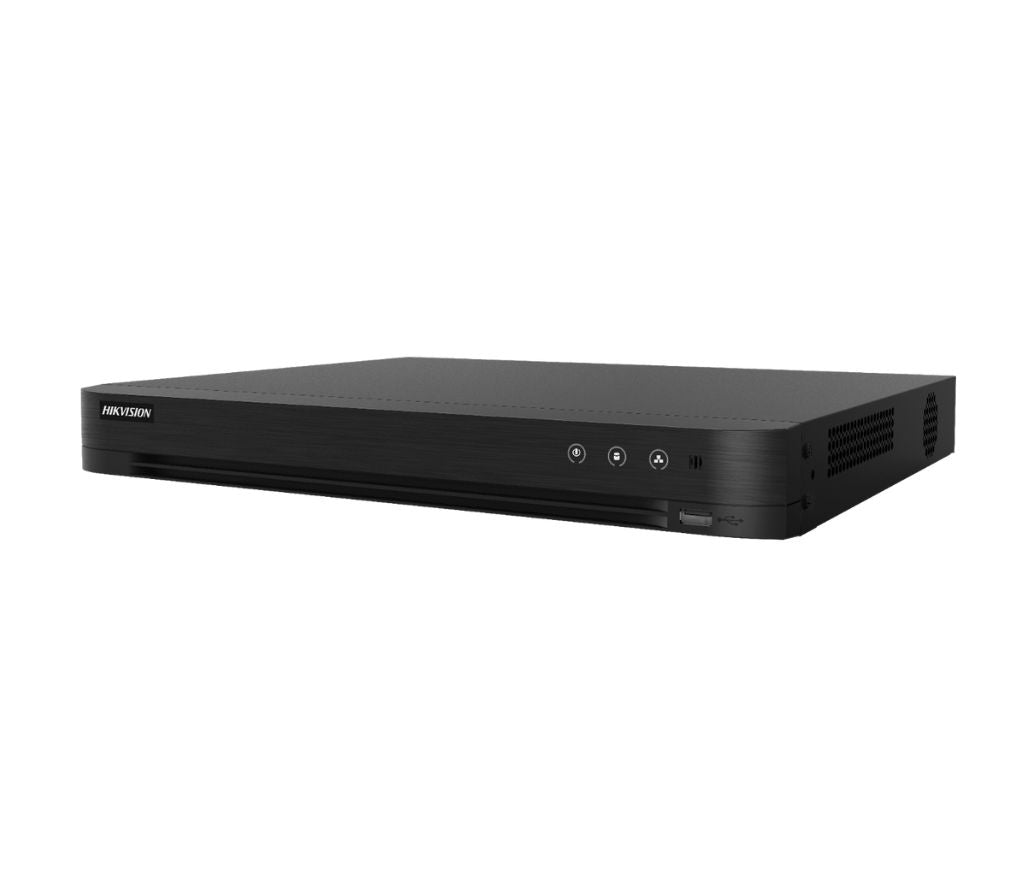
Even cameras without an onboard neural chip can benefit from AcuSense when paired with a compatible NVR (the NXI series). The NVR performs the classification on its own chip, processing streams from standard motion-detection cameras in real time. This is a cost-effective upgrade path: keep existing cameras and add an AcuSense NVR to get intelligent classification across your whole system.
Key Capabilities for Florida Sites
Line Crossing and Intrusion Detection
Draw a virtual line or zone on any camera's field of view. AcuSense will alert only when a person crosses that line — not a bird, not a vehicle, not a shadow. Ideal for:
- After-hours perimeter alerts on construction sites
- Pool area monitoring at hotels and apartment complexes
- Restricted area protection at warehouses
Smart Search
When investigating an incident, instead of scrubbing through hours of footage, smart search lets you ask: "Show me every instance of a person appearing in Camera 4 between 10 PM and 6 AM last Thursday." The NVR returns a thumbnail index of all matching clips in seconds. For retail managers reviewing a potential shoplifting event or a property manager investigating a parking lot break-in, this cuts investigation time from hours to minutes.
Unattended Luggage and Object Detection
Higher-tier AcuSense models can detect objects left in a zone (unattended bag in a lobby) or objects removed from a zone (item taken from a display). This is particularly useful for hospitality and retail applications.
AcuSense vs. Competitor AI Systems
| Feature | AcuSense | Hanwha WiseAI | Uniview AI |
|---|---|---|---|
| Person/Vehicle classification | ✓ On-camera | ✓ On-camera | ✓ On-camera |
| NVR-level classification (non-AI cams) | ✓ NXI series | ✓ QRN AI series | Limited |
| Smart search | ✓ | ✓ | ✓ |
| Face recognition | ✓ (select models) | ✓ (WiseNet P) | Limited |
| LPR integration | ✓ | ✓ | ✓ |
Which AcuSense Products Are Right for Florida?
For outdoor Florida applications — where lighting changes rapidly and vegetation creates constant pixel-level noise — we recommend the following AcuSense lineup:
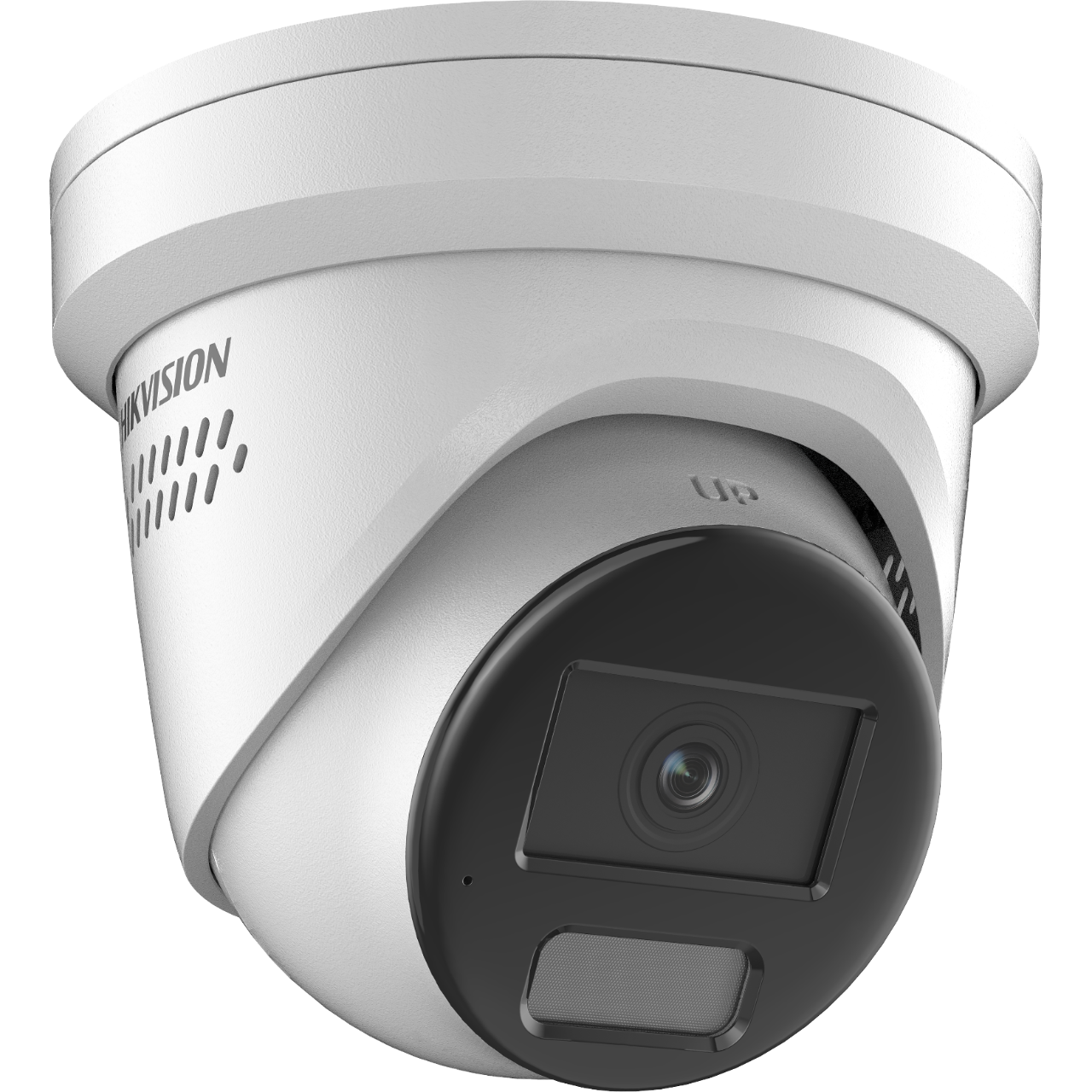
- DS-2CD2347G2-LU — 4MP ColorVu + AcuSense, F1.0 lens, full-color night vision. Ideal for parking lots and entrances where color matters for license plate and clothing color identification.
- DS-2CD2T47G2-L — 4MP AcuSense with 60m white light, vandal-resistant. Construction sites, loading docks.
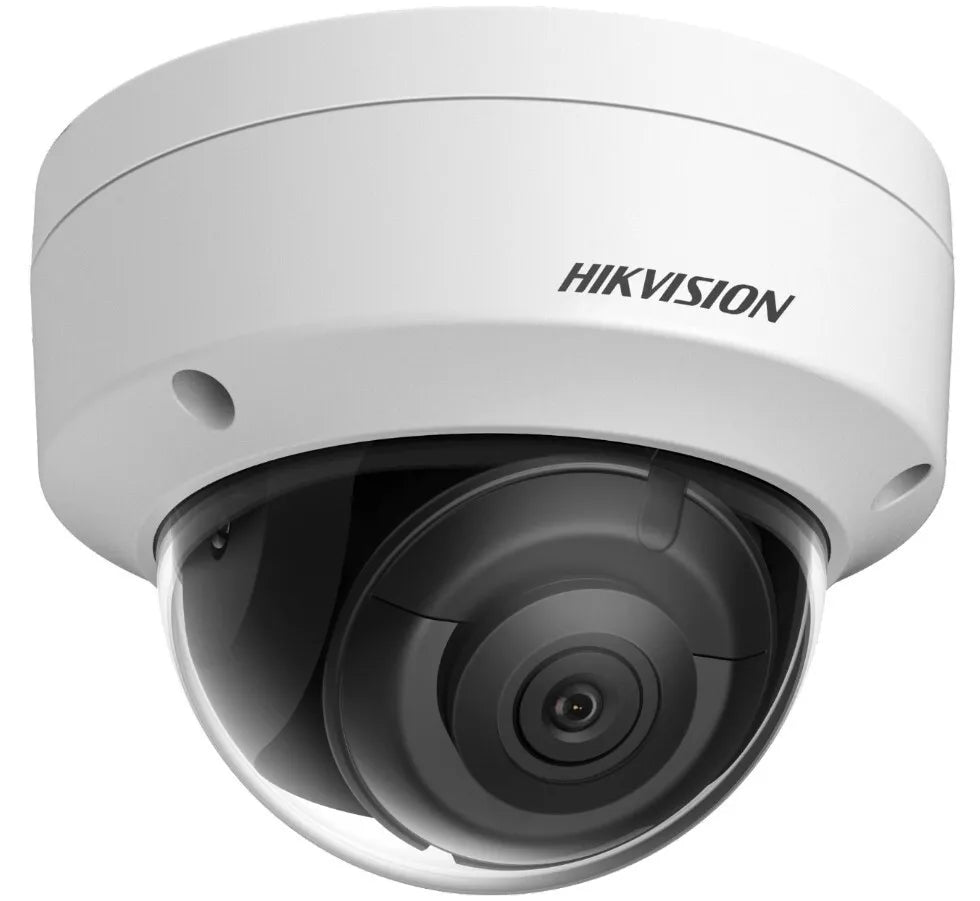
- DS-2CD2143G2-IU — 4MP AcuSense dome with built-in mic and IR. Retail interiors, lobby areas.
- DS-7616NXI-I2/S NVR — 16-channel AcuSense NVR for mixed camera deployments.
Installation Notes for Florida
AcuSense performance depends on camera placement. For accurate person detection, cameras should be mounted at 2.5–5m height with the human body occupying at least 10–15% of the frame height. In South Florida's heat, verify your cable runs are UV-rated and that the NVR is in a ventilated enclosure — AcuSense NVRs generate meaningful heat under continuous AI workloads.
IDS CCTV supplies the full AcuSense product lineup at wholesale pricing. Call (954) 903-0007 for a quote or to speak with a system designer about integrating AcuSense into your Florida property.