
Why Camera Maintenance Matters More in Florida
Florida's climate creates conditions that accelerate CCTV camera wear faster than most other states. High humidity, coastal salt air, intense UV radiation, afternoon thunderstorms, and hurricane-season moisture all actively degrade outdoor equipment. A camera rated for 10 years of service in the Midwest may fail in five without proper maintenance in South Florida.
This checklist covers the monthly, quarterly, and annual tasks that keep professional surveillance systems performing at spec — and that catch problems before they become failures during an incident when you need footage most.
Monthly Checks (10–15 Minutes Per System)
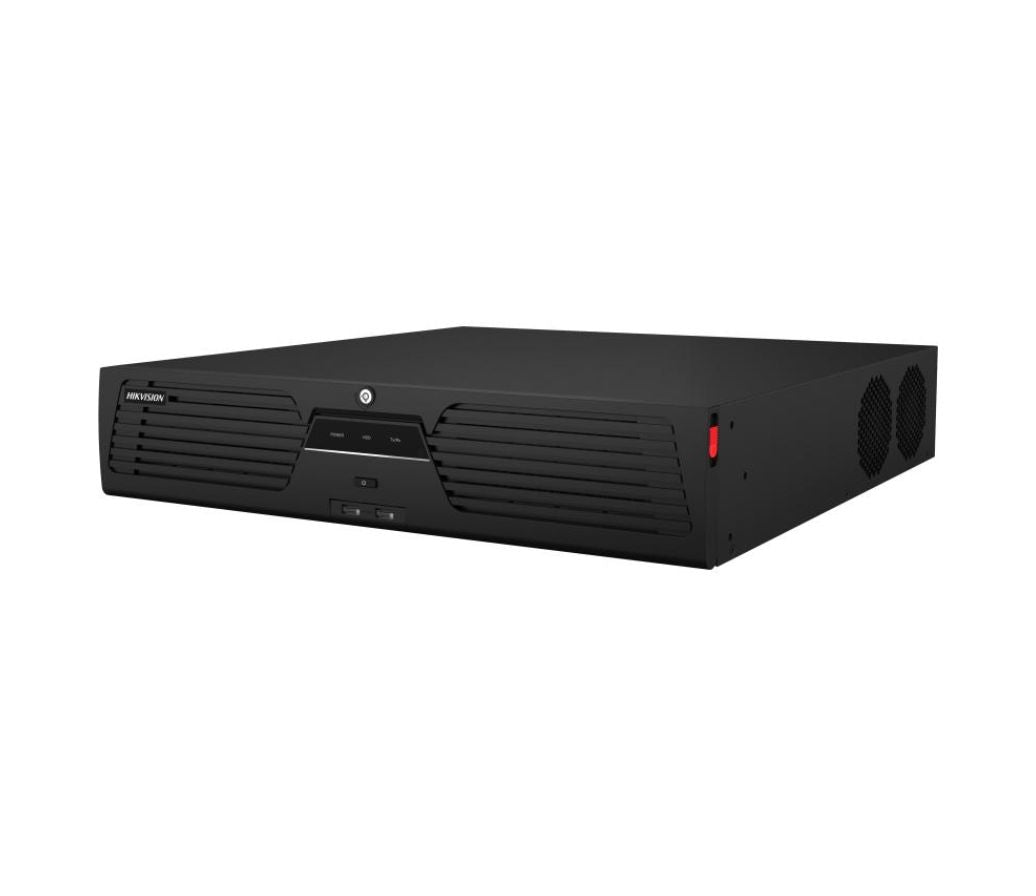
- Review NVR recording status dashboard — Log into your NVR or VMS and confirm all camera channels show active recording. Any channel showing offline, disconnected, or error status should be investigated before the end of the day, not deferred.
- Pull recent motion clips and review image quality — Sample 2–3 recent motion clips per camera. Look for focus drift, lens fogging or condensation haze, spider web artifacts across the IR array, or color shifts that indicate sensor degradation.
- Check hard drive health indicators — Most , Uniview, and Hanwha NVRs display S.M.A.R.T. drive status in the system menu. Any yellow or red indicator warrants immediate drive replacement — drives don't recover from S.M.A.R.T. failure warnings.
- Confirm remote access is functional — Verify that your remote portal (Hik-Connect, EZVIZ, or your VMS client) loads correctly from an off-site device. Remote access failures are often the last thing detected — until they're urgently needed.
- Check NVR event logs for repeated errors — Review the event log for repeated camera disconnect/reconnect cycles, storage errors, or failed recording events that may indicate an intermittent issue developing.
Quarterly Physical Inspection Checklist
- Clean all camera lenses — Use a microfiber cloth and optical-grade lens cleaner. Never use solvent-based cleaners on plastic dome housings. In coastal South Florida (within 2 miles of salt water), salt deposits accumulate on lenses within 30–60 days and reduce image contrast noticeably.
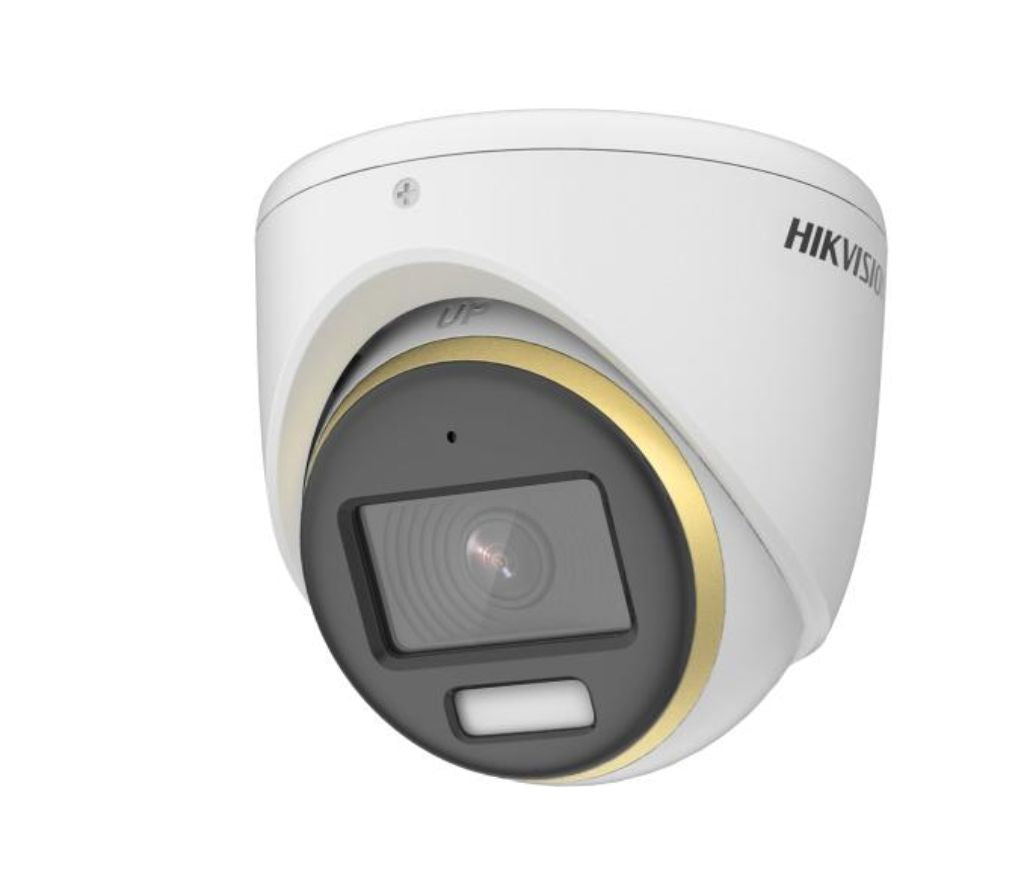
- Inspect dome/bubble housings for UV yellowing — Florida's UV exposure causes plastic dome housings to yellow and haze over 2–4 years. A yellowed dome can reduce effective night vision range by 30–50% without any obvious daytime symptoms. Replacement domes are available for most models without replacing the full camera.
- Check all mounting hardware and junction boxes — Tighten camera mounting bolts, junction box screws, and conduit fittings. Salt air corrodes standard hardware; replace any rusted fasteners with 316 stainless steel, particularly on roof mounts and coastal installations.
- Inspect cable entry points and conduit seals — Check anywhere cables enter buildings, junction boxes, or conduit runs. Any gap in sealant allows moisture ingress and insect nesting in humid climates. Reapply weatherproof silicone at any compromised entries.
- Test PTZ movement ranges — Run a full pan, tilt, and zoom cycle on all PTZ cameras and verify smooth, consistent movement. Stuttering, skipping, or hesitation indicates motor wear or lubrication issues that worsen rapidly in Florida humidity. Address early.
- Inspect PoE switch port indicators — Each occupied port should show a green link/activity light. Amber or off ports indicate a disconnected camera or a PoE budget overload on that switch. Check that total PoE draw does not exceed switch capacity, especially if cameras have been added since initial install.
Semi-Annual Firmware Update Schedule
Firmware updates on cameras and NVRs are the most consistently skipped maintenance task — and one of the most consequential. Updates address known security vulnerabilities (exploited cameras are the leading point of entry for network intrusions in commercial buildings), fix recording bugs, and often improve AI detection accuracy.
- Check manufacturer portals twice per year for firmware updates covering your camera models. publishes security advisories and firmware releases at .com; Uniview at uniview.com; Hanwha at hanwhavision.com.
- Update NVR firmware before camera firmware — NVR firmware must match or exceed camera firmware version requirements. Updating cameras first can cause temporary compatibility issues.
- Export NVR configuration before any update — Back up your full system configuration to USB or download locally before initiating any firmware update. A failed update that resets configuration can mean hours of reconfiguration without a backup on record.
- Stagger updates on large systems — Update one test camera first and monitor it for 24–48 hours before proceeding. Never update all cameras simultaneously on a production system.
Annual Full-System Audit
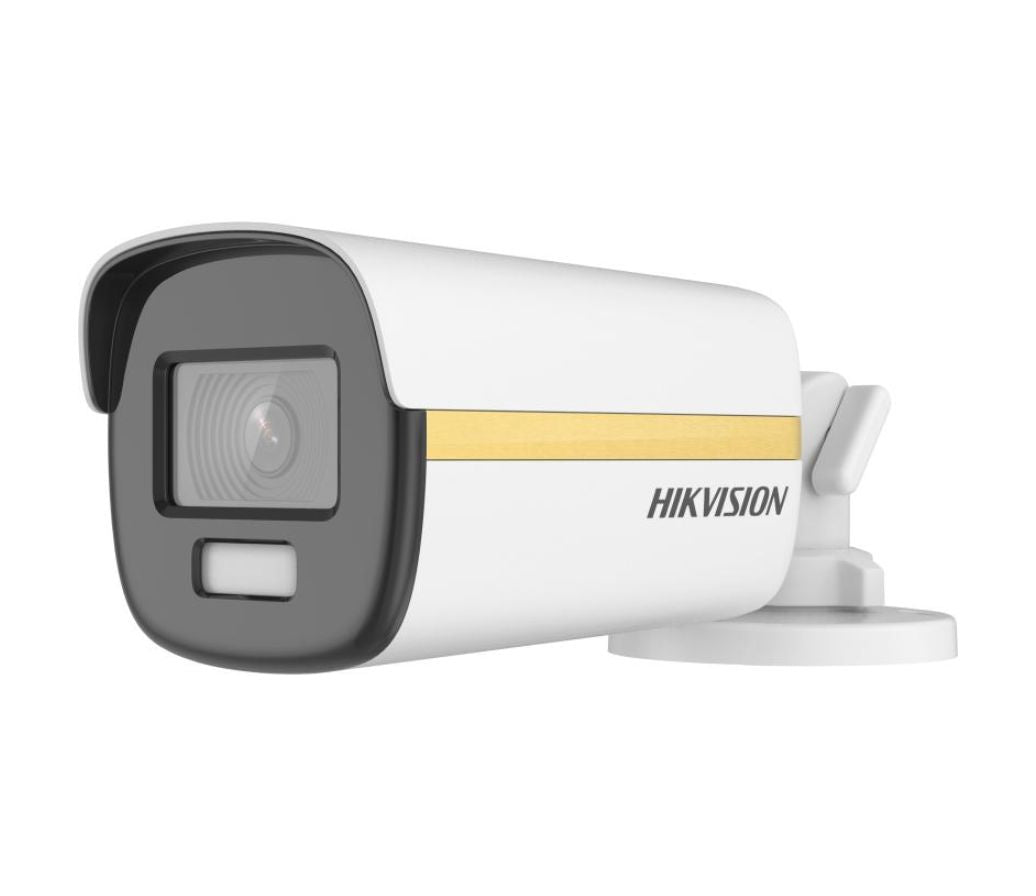
- Nighttime image quality review — At night, capture and review a still image from every camera. Confirm IR or ColorVu night vision is operating at rated range. Degraded IR LEDs reduce effective nighttime coverage without any symptoms visible in daytime footage.
- Verify actual retention period — Confirm the NVR is writing the full configured retention period. Storage degradation or misconfigured overwrite settings can silently reduce retention from 30 days to under 10 days — often only discovered when trying to retrieve specific incident footage weeks later.
- Proactive hard drive replacement on a 3-year cycle — WD Purple and Seagate SkyHawk drives are rated for 180TB/year write workload across 3 years. Florida ambient heat in uncooled equipment cabinets can accelerate degradation. Replacing drives proactively is far cheaper than losing incident footage during a critical investigation.
- Coverage gap review — Compare current camera fields of view to any site changes: new construction, relocated entrances, landscaping growth. Mature trees and new structures routinely create blind spots in systems installed 3+ years prior. Schedule a site walk with your footage and a coverage map.
- User access credential audit — Remove NVR, VMS, and remote access credentials for any staff, contractors, or integrators who no longer require system access. Change admin passwords if they haven't been rotated in over 12 months.
- Test alarm integrations end-to-end — Trigger a test motion event and verify that email/push notifications, alarm panel integrations, and any monitoring center relay connections fire correctly. Integrations silently break when IP addresses change, firmware updates clear settings, or monitoring center contact details change.
Florida-Specific: Hurricane Season Prep (June–November)
Add these steps each May before the Atlantic hurricane season begins:
- Verify all external cable conduit is properly sealed, anchored, and strain-relieved at entry points
- Confirm outdoor junction boxes are rated IP66 or higher and all unused knockouts are sealed
- Test UPS battery backup — confirm the NVR will sustain operation through a 30-minute power interruption at minimum
- Document NVR IP address, admin credentials, and all equipment model/serial numbers in a secure off-site location in case of storm damage requiring insurance claims or equipment replacement
- For active investigations or incidents in progress, back up relevant footage to an off-site storage location before any major storm makes landfall
Maintenance Log — What to Track
Keep a log for each camera system with the following per-site entries: date of last physical inspection, firmware version (NVR and cameras), last drive S.M.A.R.T. check result, any image quality issues noted and their resolution, and next scheduled service date. A simple spreadsheet is sufficient — the log supports warranty claims, demonstrates due diligence in liability situations, and provides forensic timeline context when incidents are investigated weeks or months after they occur.
Frequently Asked Questions
- How often should outdoor camera lenses be cleaned in South Florida?
Quarterly is the minimum for most locations. Within 2 miles of salt water, monthly cleaning is recommended — salt deposits accumulate faster near the coast and reduce image sharpness noticeably between quarterly visits. A simple microfiber cloth takes under a minute per camera.
- How long do surveillance hard drives last in an NVR?
WD Purple and Seagate SkyHawk drives carry a 3-year warranty and 180TB/year write rating. In Florida, NVR cabinets in uncooled rooms or closets regularly reach 85–95°F ambient temperature, which measurably reduces drive lifespan. Plan for proactive replacement at the 3-year mark regardless of S.M.A.R.T. status, and confirm S.M.A.R.T. health monthly in the interim.
- Do I need to update camera firmware if there are no apparent issues?
Yes. Security vulnerabilities in camera firmware are actively discovered and exploited — including on widely-deployed and Uniview models. Cameras connected to business networks without current firmware are a recognized vector for network intrusion. Check your camera brand's security advisory page at least twice per year for critical CVEs applicable to your deployed models.
- Can I do this maintenance myself or do I need a certified technician?
Monthly software checks and quarterly lens cleaning can be handled by facility management or IT staff with NVR access. Annual physical audits, hardware replacement (drives, mounts, cable resealing), and firmware update procedures on complex multi-site systems are best performed by a certified CCTV technician familiar with your specific equipment and network configuration.