
What PTZ Cameras Are (and Aren't)
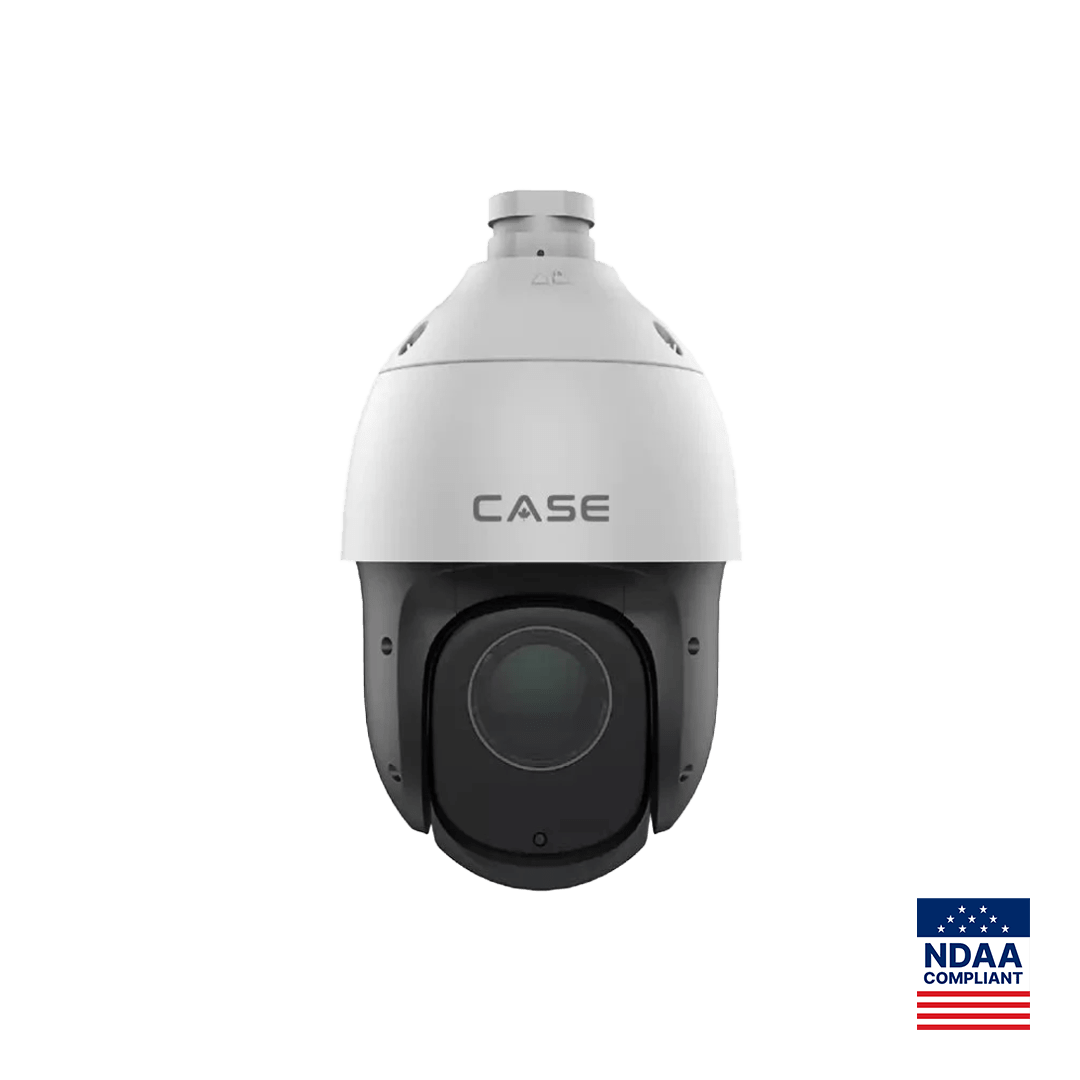
Pan-Tilt-Zoom cameras can rotate horizontally and vertically and optically zoom to cover large areas with a single unit. They're powerful, flexible, and relatively expensive — typically 3–5× the cost of a comparable fixed camera. They're also frequently purchased for the wrong reasons and deployed ineffectively.
The critical misconception: a single PTZ camera cannot cover a large area as effectively as multiple fixed cameras. When the PTZ is pointed at one location, all other areas in its potential coverage zone are unmonitored. PTZ cameras are tools for active operator control or AI-guided auto-tracking — not replacements for comprehensive fixed camera coverage.
Key PTZ Specifications Explained
Optical Zoom Range
PTZ optical zoom is expressed as a multiplier (20×, 36×, 42×) representing how much the lens can zoom in. A 20× zoom PTZ can make a subject at 100 meters appear as close as a subject at 5 meters on a fixed camera. Higher zoom = more detail at distance, but the camera covers a smaller area when fully zoomed. For perimeter monitoring of large outdoor areas, 36× or higher is common.
Zoom Speed
For security applications, zoom speed matters when tracking moving subjects. Fast zoom (typically 0.1 seconds to full zoom) is essential for auto-tracking cameras. Slow zoom on budget PTZs makes tracking vehicles or people in motion nearly impossible.
Pan/Tilt Speed
Specified in degrees per second. A PTZ with 400°/sec pan speed can sweep a 180° view in under half a second — adequate for tracking fast-moving subjects. Budget PTZs with 50–100°/sec pan speeds are ineffective for active tracking.
Presets and Patrol Routes
Most PTZ cameras support stored presets (saved positions the camera can return to instantly) and patrol routes (automatic cycling between presets on a timed schedule). For unmanned installations, patrol routes allow a single PTZ to cycle through multiple viewpoints automatically.
Auto-Tracking
Higher-end PTZ cameras include onboard AI that automatically detects and follows moving subjects. When a person enters the frame, the camera locks on and tracks them, zooming to maintain subject size in frame. Auto-tracking quality varies significantly between manufacturers — test this feature specifically before purchasing for active surveillance applications.
PTZ vs. Fixed Multi-Camera: When Each Makes Sense
Use PTZ When:
- You have a security operator actively monitoring live feeds who can manually control the camera
- AI auto-tracking is enabled and the camera will follow detected subjects automatically
- A large open area (parking lot, plaza) needs flexible coverage that changes based on events
- Budget limits the number of camera drops, and coverage flexibility is valued over comprehensive coverage
Use Fixed Cameras When:
- You need evidence of what happened at a specific location at a specific time
- Multiple areas must be monitored simultaneously without an operator
- The coverage zone is well-defined (entrance, corridor, register)
- Total cost of ownership is a priority (fixed cameras cost less per coverage point)
Recommended Applications for PTZ Cameras
- Parking garage overview cameras supplementing fixed cameras at entries/exits
- Large outdoor plaza or courtyard coverage with security staff monitoring
- Perimeter overview on large commercial or industrial properties
- Remote pan-tilt capability for investigation (fixed cameras trigger an event, PTZ zooms in for detail)
- Traffic management and incident monitoring at high-activity intersections or driveways
IDS CCTV PTZ Installations
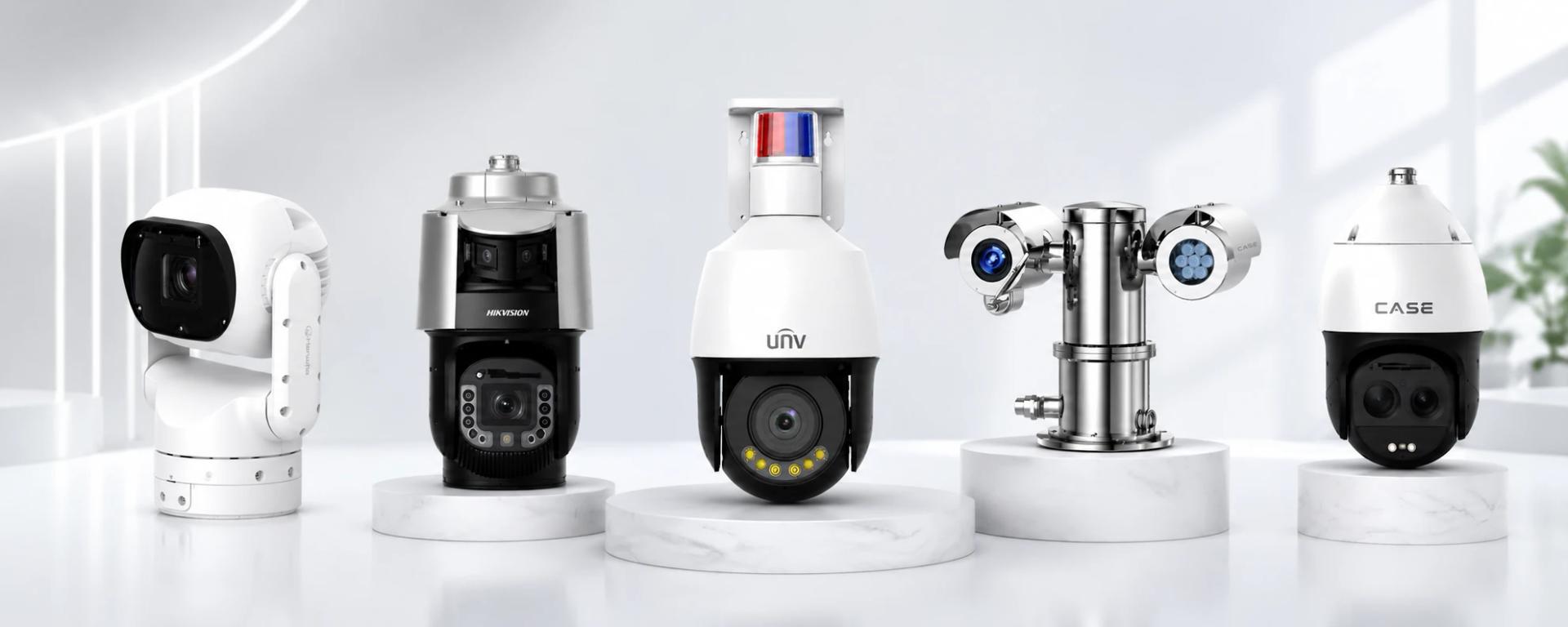
We deploy PTZ cameras from Hikvision, Uniview, and Hanwha as part of mixed fixed/PTZ camera systems. Our team will identify where PTZ cameras add genuine value versus where fixed cameras are more cost-effective for your specific site. Contact us for a system design consultation.