
Two Technologies, Very Different Capabilities
IP (Internet Protocol) cameras and analog CCTV cameras are both legitimate technologies for security surveillance in 2025, but they operate very differently and serve different scenarios. Understanding the technical differences helps you make the right decision for your specific property and budget — rather than assuming one is universally better than the other.
How They Work: The Core Difference
Analog cameras capture video and transmit it as a continuous analog signal over coaxial cable to a DVR (Digital Video Recorder), which digitizes and stores the footage. HD analog (HDCVI, HDTVI, AHD) formats have pushed analog resolution to 4K in recent generations, but the fundamental architecture — coax cable, DVR, analog signal — remains the same.
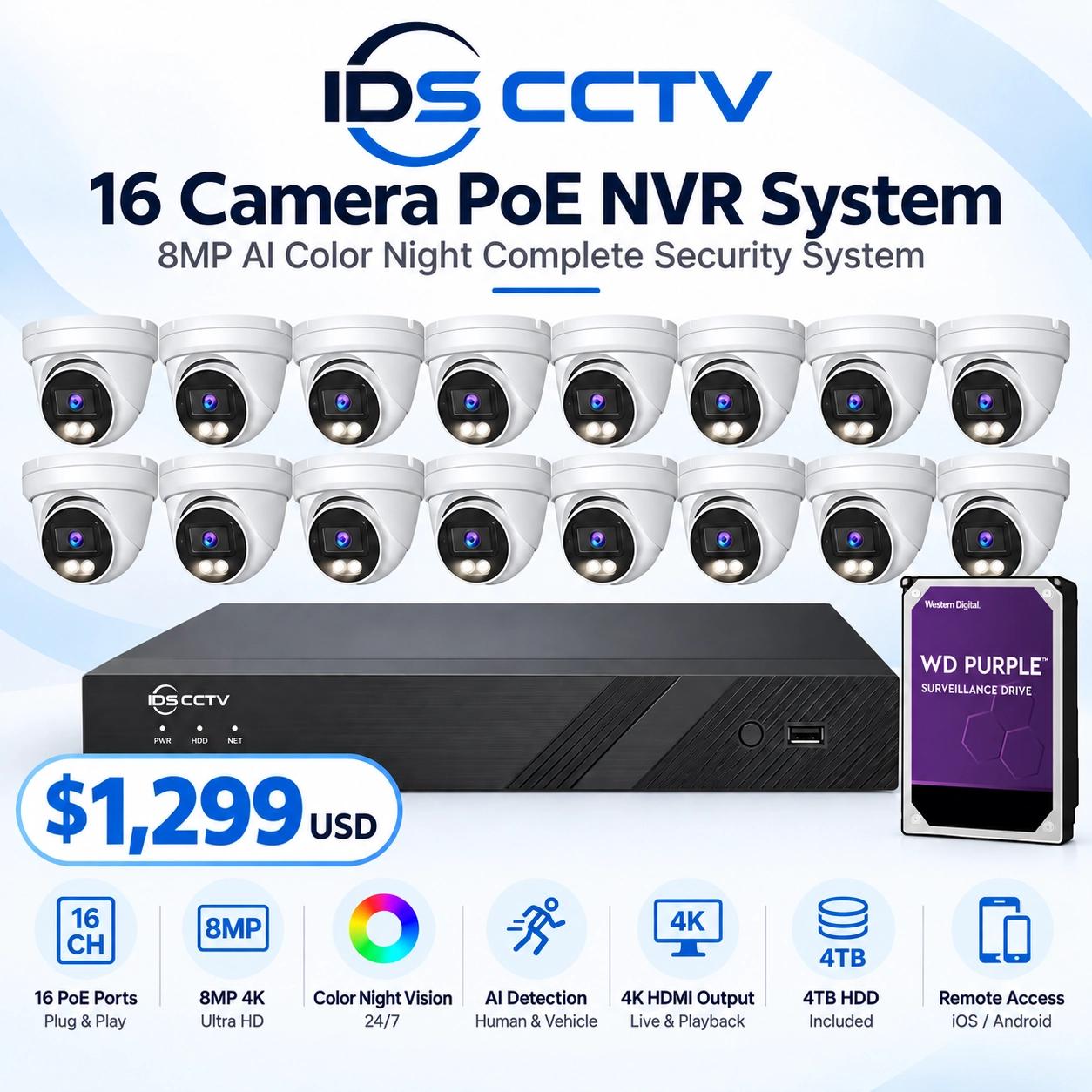
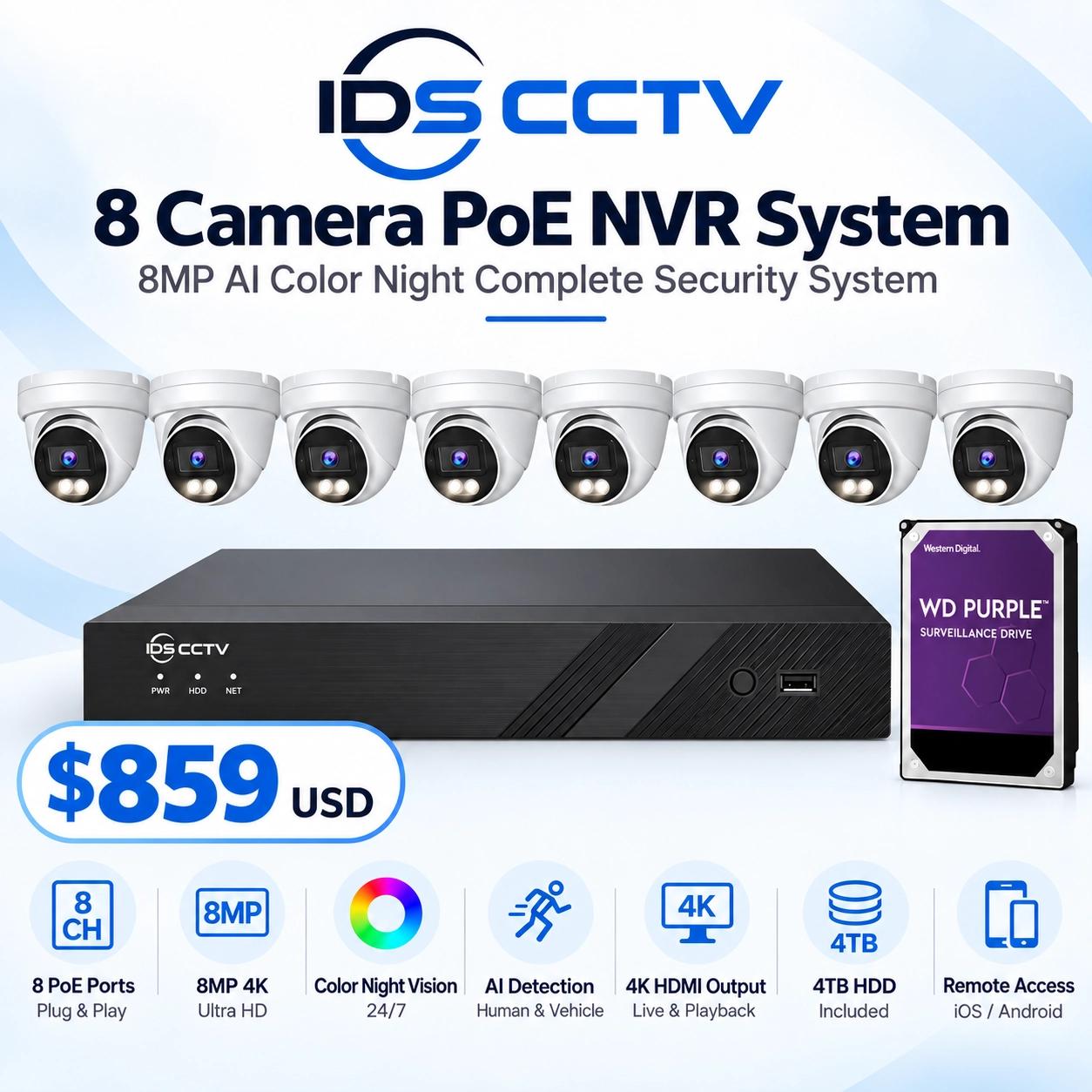
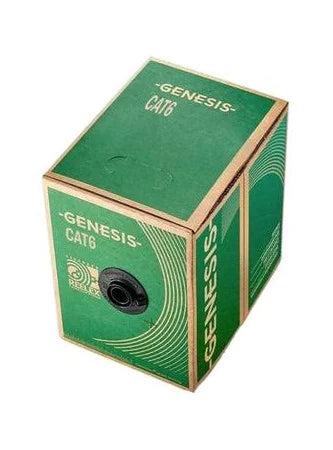
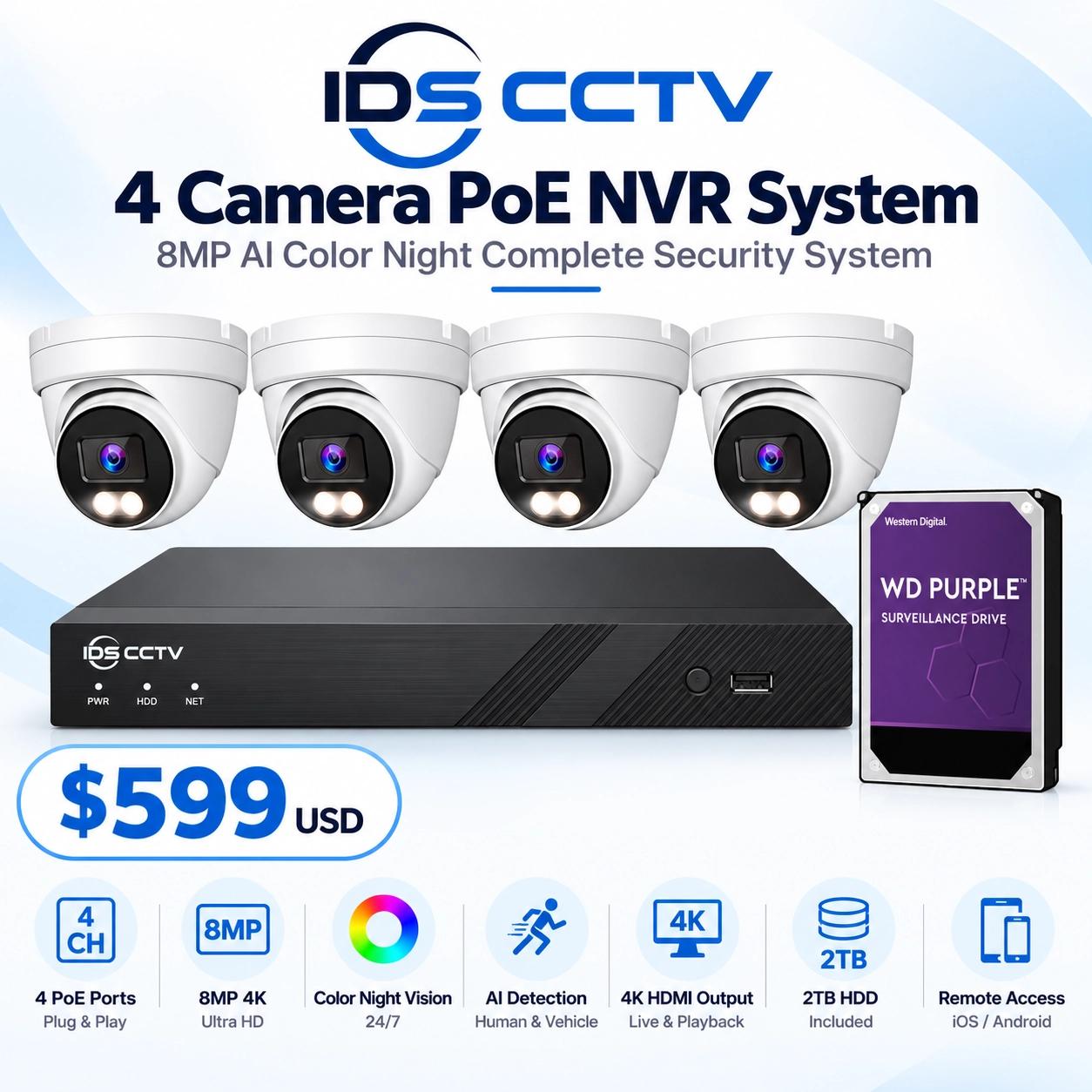
IP cameras digitize video inside the camera itself and transmit it as a compressed data stream over standard CAT5e/CAT6 ethernet cable to an NVR (Network Video Recorder). The camera is essentially a small computer: it runs firmware, has its own IP address, and can be managed and updated remotely over the network.
Resolution Comparison
| Format | Maximum Resolution | Practical Quality |
|---|---|---|
| Standard analog (CVBS) | 480 TVL | Low — not recommended for new installations |
| HD analog (HDCVI/HDTVI) | 4K (8MP) | Good — viable for budget upgrades on existing coax |
| IP camera (current gen) | 4MP–12MP standard; 20MP+ available | Excellent — industry standard for new commercial installations |
Where IP Cameras Win Decisively
- AI analytics: AcuSense, WiseAI, and similar deep-learning features are available only on IP cameras. Analog cameras cannot run neural classification algorithms.
- Remote access and management: IP cameras can be managed, configured, and firmware-updated remotely. Analog cameras require physical access to the DVR for most management tasks.
- Scalability: Adding IP cameras to an existing network is straightforward — any ethernet port or PoE switch port works. Analog expansion requires new coax cable runs.
- Integration: IP cameras support ONVIF, enabling integration with any compatible NVR or VMS software. Analog cameras are typically locked to compatible DVR brands.
- Long-run flexibility: CAT6 runs up to 100m without signal degradation; with PoE extenders, up to 500m. Analog coax can run 300–500m but with signal loss requiring amplification at longer distances.
- Audio: IP cameras frequently include built-in microphones. Adding audio to analog systems requires separate audio cable runs.
Where Analog Still Makes Sense in 2025
- Existing coax infrastructure: If a property already has extensive coax wiring from a legacy analog system, upgrading to HD analog (HDCVI/HDTVI) allows reuse of existing cable — saving significant labor costs. A 16-camera HD analog upgrade using existing cable is often $2,000–$4,000 cheaper than a full IP conversion requiring new cable runs.
- Budget-constrained basic coverage: For a simple 4-camera system covering a small property where AI analytics, remote management, and scalability aren't priorities, HD analog DVR kits can deliver acceptable performance at lower initial cost.
- Environments hostile to ethernet: Some industrial environments generate EMI that affects CAT6 performance. Coax is more resistant to certain forms of electrical interference, though industrial-grade shielded CAT6 typically resolves this.
Total Cost of Ownership: 5-Year Analysis
For a new 16-camera installation from scratch:
- HD Analog: Lower hardware cost, but higher cabling cost (coax is more expensive per foot than CAT6) and limited upgrade path. No AI, no remote firmware updates, no network integration without additional equipment.
- IP (H.265+): Higher unit cost per camera, but CAT6 is cheap and the platform is future-proof. Remote management reduces ongoing service costs. AI features improve incident detection and reduce false alarm costs.
For most new Florida commercial installations in 2025, the 5-year TCO of IP systems is equal to or lower than analog — while delivering significantly more capability. IDS CCTV recommends IP camera systems for all new commercial installations and HD analog only where reusing existing coax infrastructure provides clear cost savings.
Call (954) 903-0007 for a cost comparison specific to your Florida property.