
The Problem With Traditional Infrared Night Vision
Standard IR (infrared) night vision cameras produce black-and-white footage in low light. While effective at showing shapes and movement, IR footage lacks color information that is often critical for incident investigation: the color of a vehicle, clothing color, hair color, skin tone distinctions. In a post-incident investigation, the difference between "a person" and "a person in a red hoodie driving a white pickup" can be the difference between identifying a suspect and having no actionable evidence.
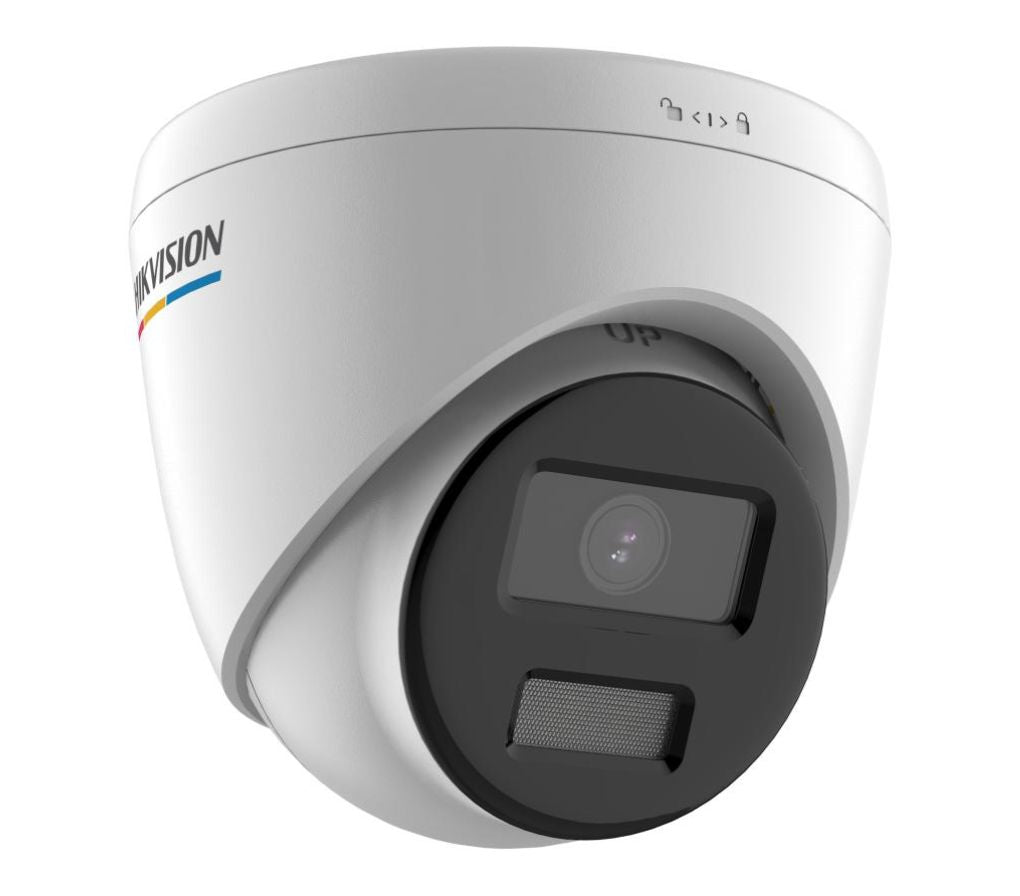
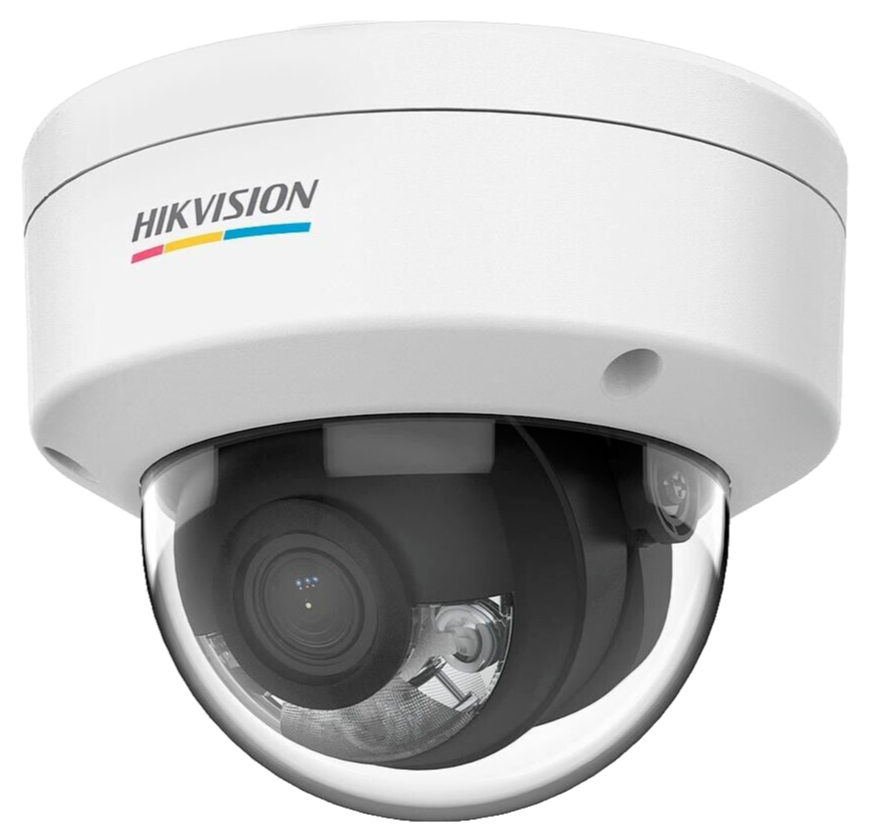
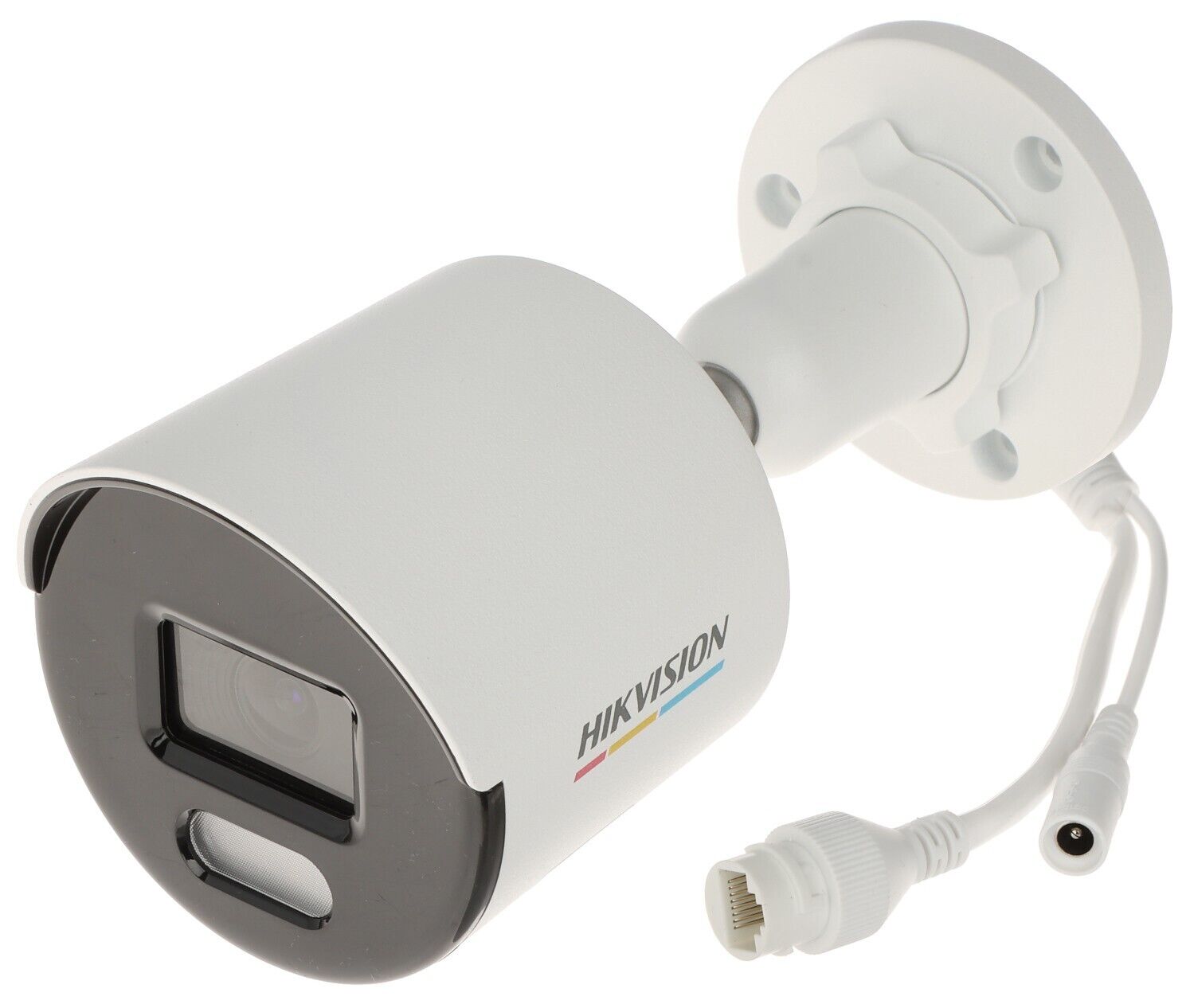
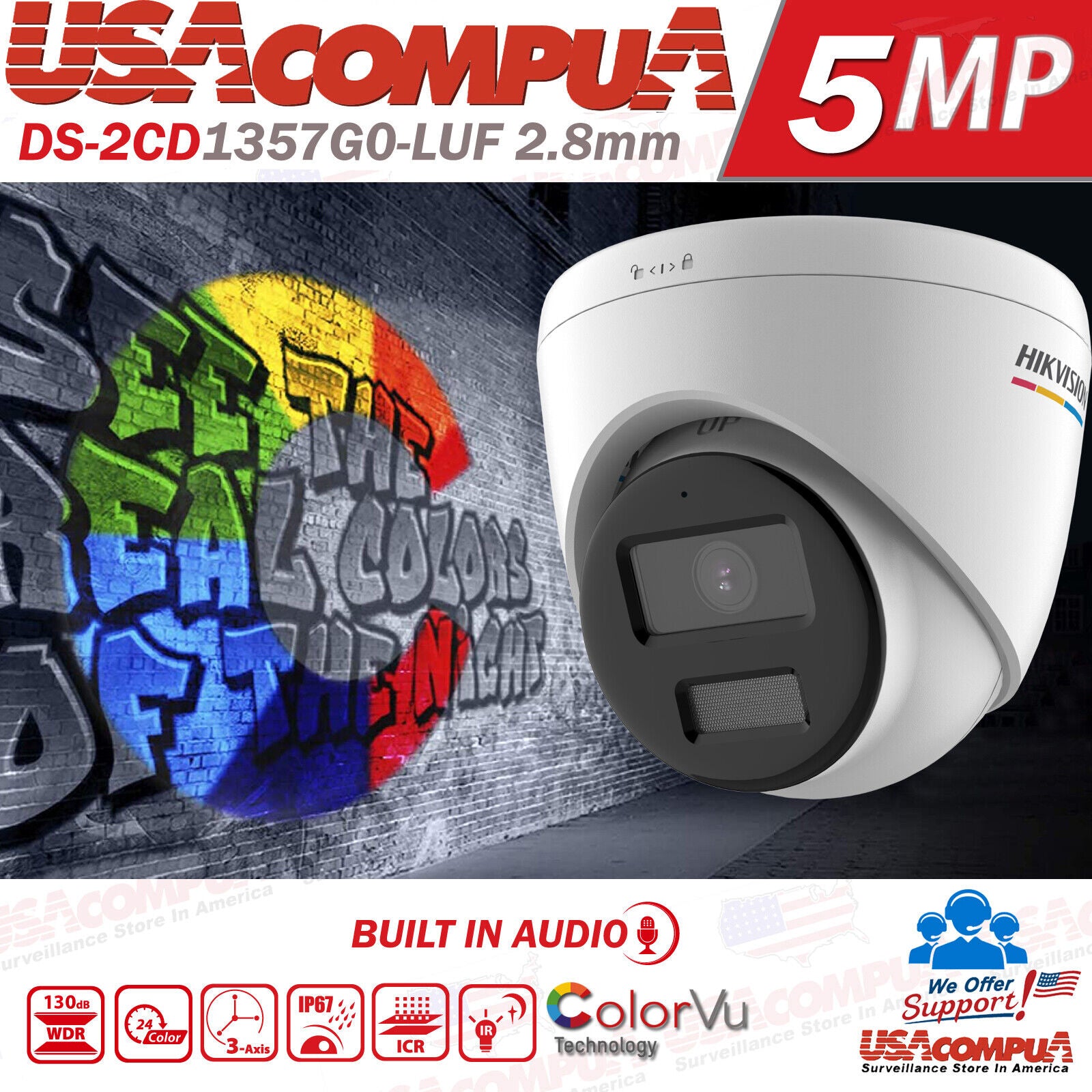
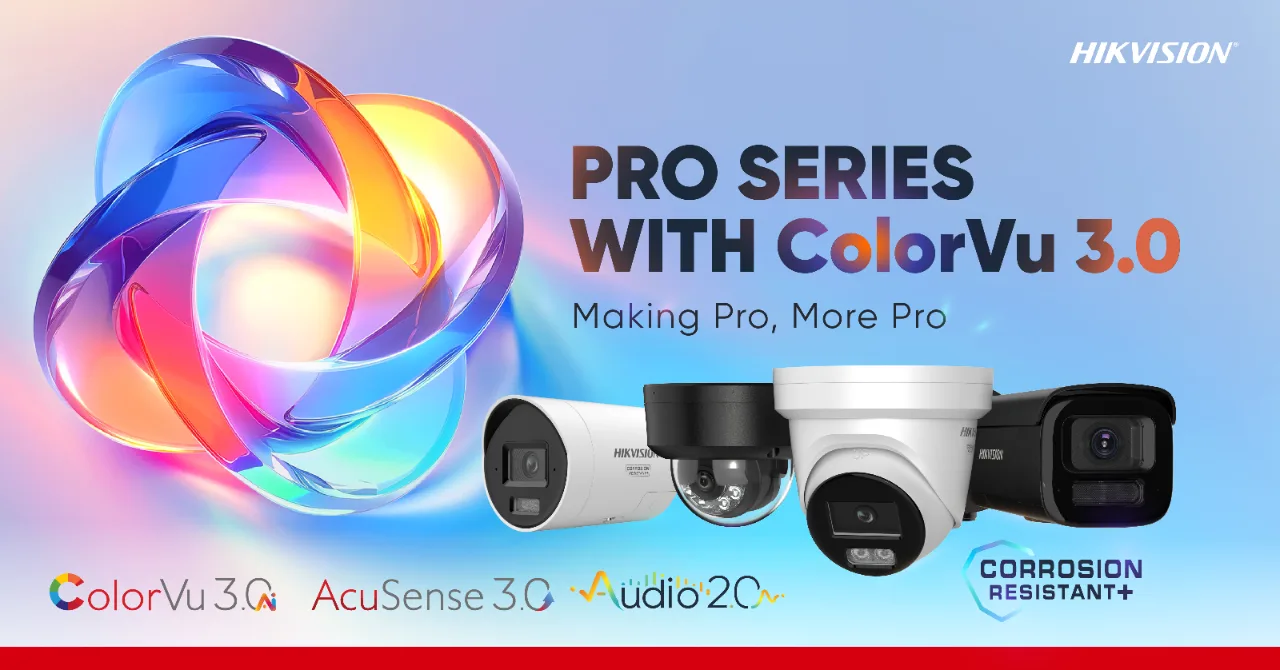
ColorVu cameras solve this by maintaining full-color video down to 0.0005 Lux — near-total darkness — using two technologies: an ultra-wide F1.0 aperture lens that gathers significantly more light than standard F2.0 lenses, and supplemental warm white-light LEDs that activate automatically when ambient light falls below the camera's color threshold.
How ColorVu Works
ColorVu cameras use a two-part approach to full-color night vision:
- Large aperture sensor: The F1.0 aperture lens collects four times more light than a standard F2.0 lens. In partially lit conditions (streetlights, signage, ambient urban light), this alone is sufficient for full-color video without any supplemental illumination.
- Warm white-light LEDs: When light falls below the color threshold, the camera activates built-in warm white LEDs that illuminate the scene. Unlike harsh blue-white IR illuminators that are invisible to the human eye, ColorVu's warm white light is subtly visible — which also serves as a deterrent. The LEDs produce a warm, non-invasive glow rather than the harsh floodlight effect of older cameras.
ColorVu vs. IR: When to Choose Each
| Factor | ColorVu | Standard IR |
|---|---|---|
| Color in near darkness | ✓ Full color | ✗ Black and white |
| Identification quality | Excellent — color detail | Good — shape/movement |
| Deterrence effect | Visible warm glow | Invisible to human eye |
| Light pollution concern | Small warm LEDs | None (IR invisible) |
| Cost | Slightly higher | Standard |
| Best use | Entrances, parking, cash areas | Perimeter, covert monitoring |
ColorVu in Florida's Climate
Florida presents specific advantages for ColorVu deployment. The state's urban and suburban environments are rarely truly dark — streetlights, business signage, and ambient light from neighboring properties mean ColorVu cameras can often produce full-color video without activating their LEDs at all. The F1.0 lens alone handles most Florida outdoor environments after dark.
For coastal Florida properties, ColorVu's white-light illumination also avoids the fog-scatter issue that affects IR cameras in humid, salt-air environments. IR light reflects heavily from fog and high-humidity air, creating a washed-out white haze in the footage. White light illumination produces less pronounced scatter in these conditions.
Top ColorVu Models for Florida
- DS-2CD2347G2-LU — 4MP, F1.0, AcuSense, ColorVu. Outdoor fixed camera. Best all-around ColorVu for Florida commercial sites. Covers parking lots, entrances, and perimeter areas. Built-in microphone.
- DS-2CD2T47G2-L — 4MP ColorVu, 60m white-light range, bullet form factor. Construction sites and long-range outdoor coverage.
- DS-2CD2127G2-LU — 2MP ColorVu dome. Budget-friendly option for interior areas where full-color is needed but 4MP resolution isn't required.
- DS-2CD2387G2P-LSU/SL — 8MP ColorVu with strobe and audio alarm. Parking garages and high-value areas where active deterrence is desired alongside color recording.
Installation Considerations
ColorVu cameras require the same installation approach as standard IP cameras — CAT6 cable, PoE switch or NVR PoE port, and appropriate mounting hardware for the surface. One additional consideration: the warm-white LEDs draw slightly more power at night (typically 12–15W under LED activation versus 8–10W without). Verify your PoE switch's per-port power budget accommodates this.
For Florida HOA and residential applications, ColorVu's warm white light is often preferred over standard IR because it looks more like a normal security light — less alarming to residents while still providing excellent night vision footage.
IDS CCTV stocks the full ColorVu lineup at wholesale pricing. Call (954) 903-0007 for a quote on ColorVu cameras for your Florida installation.